How Veneers Can Improve Confidence and Appearance
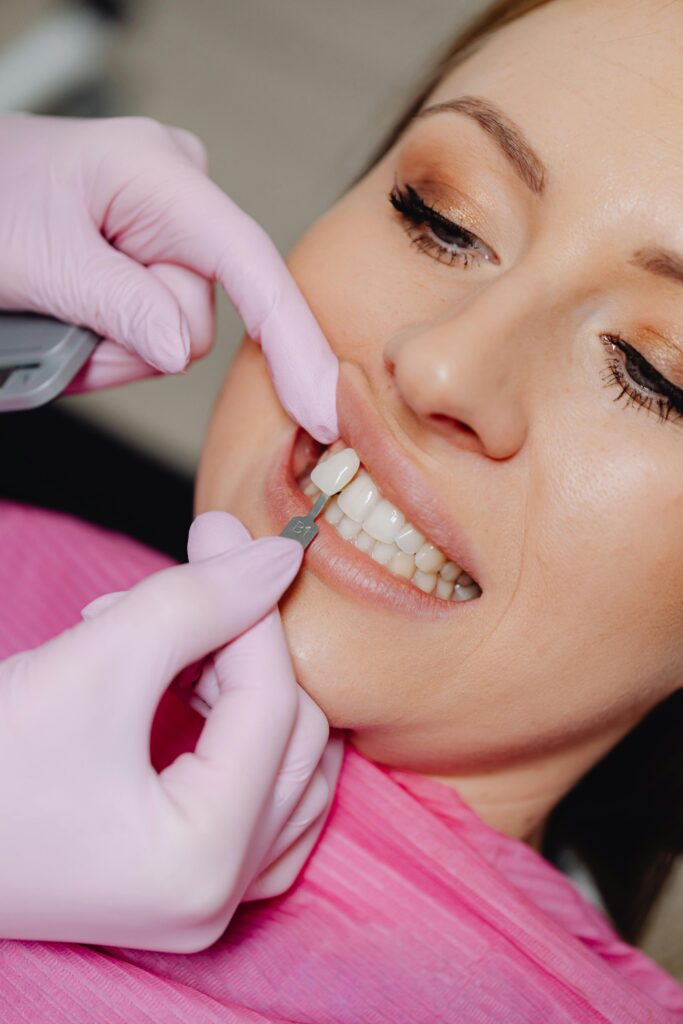
A smile has a peculiar kind of influence. People notice it before they register much else, and the person wearing it feels that attention just as strongly. When teeth are chipped, uneven, deeply stained, or worn down, that awareness can turn into self-consciousness. I have seen people cover their mouths when they laugh, speak with tightened lips in photographs, or avoid smiling altogether because one feature keeps pulling their focus. Veneers often enter the conversation at that point, not as a vanity project, but as a practical way to correct issues that have started to affect daily life.
Veneers can transform the appearance of teeth with a relatively conservative cosmetic approach. They are thin coverings, usually made from porcelain or composite resin, that are bonded to the front surface of teeth. Their purpose is straightforward: improve shape, color, symmetry, and proportion while preserving as much of the natural tooth as possible. The confidence boost that follows is not abstract. It is often visible in the way someone laughs more freely, makes stronger eye contact, or stops worrying about how their teeth look from certain angles.
That said, veneers are not magic, and they are not right for everyone. The best outcomes come from careful planning, honest expectations, and an understanding of both the benefits and the trade-offs. When done well, they can create a smile that looks polished without looking artificial, and that balance is what makes them such a powerful option for appearance and self-confidence.
Why appearance changes can feel so personal
Teeth occupy a small space on the face, but they carry a surprising amount of emotional weight. A single dark tooth after an injury, enamel that never responded to whitening, or front teeth worn short from grinding can affect how a person sees themselves. People rarely talk about this in dramatic terms. More often, it sounds like, “I hate how my teeth look in photos,” or “I do not smile the way I used to.”
Those comments matter because appearance and confidence feed each other. When someone feels embarrassed about their teeth, they often begin to manage their behavior around that embarrassment. They may avoid candid pictures. They may smile with closed lips during important events. They may speak less in social settings if they are worried that uneven or discolored teeth are drawing attention. Over time, that guardedness can become habitual.
Veneers can interrupt that cycle. They do not change personality, of course, but they often remove the obstacle that has been making a person second-guess themselves. That is a meaningful distinction. The treatment is not really about chasing perfection. In many cases, it is about restoring ease.
What veneers actually fix
The appeal of veneers lies in their versatility. They can address several cosmetic concerns at once, which is why they are often chosen over single-issue treatments. A patient may come in because of staining, then realize the larger issue is a combination of discoloration, small chips, and irregular edges. Veneers allow those details to be corrected together, creating a more coherent result.
They are commonly used to improve teeth that are permanently stained and resistant to whitening, worn from age or grinding, chipped after minor trauma, slightly misshapen, or uneven in size. They can also help close small gaps and refine mild alignment issues when orthodontics is not necessary or desired. The key phrase there is mild. Veneers can create the appearance of straighter teeth, but they do not physically move teeth into better positions.
This is where professional judgment matters. A well-planned veneer case enhances the natural smile instead of forcing teeth into a generic template. If the shape is too bulky, the color too opaque, or the proportions too uniform, the result can look unnatural very quickly. Good cosmetic dentistry is usually subtle. People notice that the smile looks attractive and balanced, not that the teeth look “done.”
The confidence factor is real, and usually immediate
One of the most striking things about veneer treatment is how quickly the emotional impact shows up. Functional dental work often brings relief over time, but cosmetic work can change self-perception almost overnight. When patients first see properly designed veneers, the reaction is often less about the technical improvement and more about recognition. They feel like themselves again, only less distracted by the flaws they had been carrying around for years.
That renewed confidence tends to spill into ordinary moments. Job interviews feel less tense. Wedding photos stop feeling like a source of dread. Social situations become easier because there is no constant internal monitoring of how the teeth look under bright light. This is not superficial. Appearance influences behavior, and behavior shapes experience.
I have heard versions of the same story many times. Someone says they used to angle their face a certain way in every picture because one side of the smile showed a discolored tooth. Another says they stopped wearing bright lipstick because it made their teeth look more yellow. After veneers, those small accommodations disappear. They sound minor on paper, but living without them can feel unexpectedly liberating.
Porcelain and composite, similar goal, different path
Not all veneers are the same. The two most common materials are porcelain and composite resin, and each has strengths that suit different situations.
Porcelain veneers are typically fabricated in a dental laboratory and then bonded to the teeth. They are known for their durability, stain resistance, and ability to mimic the light-reflecting quality of natural enamel. When properly made, porcelain has a depth and lifelike translucency that is difficult to match. This https://elliotyshq167.hexaforgey.com/posts/do-veneers-require-special-toothpaste-or-tools is usually the premium option, both in appearance and cost.
Composite veneers are shaped directly on the teeth or created indirectly, depending on the case. They can often be completed more quickly and at a lower cost than porcelain. They are useful for smaller cosmetic improvements and can be repaired more easily if minor damage occurs. The trade-off is that composite generally does not hold polish or resist staining as well over the long term, and its lifespan is often shorter.
Neither option is automatically better. The right choice depends on the condition of the teeth, the patient’s bite, aesthetic goals, budget, and willingness to maintain the result. A person who wants the highest level of polish and plans to keep the work for many years may be happiest with porcelain. Someone who needs a more modest correction or wants a conservative entry point into cosmetic treatment may prefer composite.
Why the planning stage matters more than people expect
The visible part of veneers is the final smile, but the most important phase is planning. This is where shade, shape, tooth proportions, gum symmetry, facial structure, speech, and bite all come into play. Cosmetic dentistry can look deceptively simple from the outside. In reality, the difference between a beautiful result and a disappointing one is often decided before any bonding happens.
A careful evaluation looks beyond the front view. Teeth need to function properly as well as look attractive. If someone clenches heavily, bites edge-to-edge, or has untreated gum disease, those issues need attention first. Veneers placed onto an unstable foundation are far more likely to chip, debond, or create discomfort.
A good clinician also spends time understanding how the patient defines a great smile. Some people want a noticeable brightening and a more polished look. Others want their teeth to look very natural, with soft asymmetry and age-appropriate character. Problems arise when the dental plan is driven by trend photos rather than the individual face in front of the dentist. What suits one person can look jarring on another.
Temporary veneers or mock-ups can be particularly valuable here. They allow the patient to preview changes in length, contour, and speech before the final restorations are made. That trial phase often prevents regret because it turns vague preferences into specific decisions.
The appearance improvement goes beyond color
Many people assume veneers are mainly about making teeth whiter. Color matters, certainly, but the most attractive smile changes often come from shape and proportion. A tooth that is slightly too narrow, too short, or chipped at the edge can throw off the harmony of the entire smile. Once those proportions are corrected, the face often looks more balanced even if the shade change is modest.
For example, front teeth that have become worn flat with age can make the smile look tired or older. Restoring a bit of length can make the smile appear fresher and more energetic. Similarly, correcting asymmetry between the central incisors can have an outsized effect because the eye naturally focuses there. Small refinements, done carefully, create a result that feels clean and natural rather than overdesigned.
Gum display also plays a role. Veneers alone cannot fix every issue, but when combined with appropriate gum contouring in selected cases, they can create a far more balanced smile line. Again, this is where customization matters. The best cosmetic results tend to look effortless precisely because so much thought went into details the patient may never consciously notice.
Who tends to benefit most from veneers
Veneers work best for people with healthy teeth and gums who want to improve visible cosmetic concerns on the front teeth. They are often a strong option for individuals with enamel defects, discoloration that whitening cannot correct, minor chips, or shape irregularities that make the smile feel uneven.
They are less suitable when there is extensive tooth decay, active gum disease, severe bite problems, or significant tooth grinding that is not being managed. In those situations, the cosmetic problem may be real, but veneers are not the first answer. Stabilizing oral health comes first.
The most satisfied patients usually share a few traits:
- they have specific concerns rather than a vague wish for a “perfect” smile
- they understand that veneers improve appearance but still require maintenance
- they are open to professional guidance on what will look natural
- they commit to protecting the restorations, especially if they clench or grind
Those points sound basic, but they predict satisfaction better than enthusiasm alone. Cosmetic dentistry tends to go well when the patient and clinician are aligned on both goals and limits.
Veneers are conservative, but they are not reversible in the casual sense
This is one of the most important realities to understand. Veneers are often described as conservative because they require less tooth reduction than full crowns. That is true. Still, many veneer cases involve removing a small amount of enamel to create space and proper contours. Once that enamel is altered, the tooth will continue to need some form of coverage going forward.
There are no-prep and minimal-prep cases, and those can be excellent when the anatomy allows it. But not every patient is a candidate. Trying to avoid preparation at all costs can backfire if it makes the veneers look too thick or prominent. The aim is not simply to preserve tooth structure, though that matters greatly. The aim is to preserve tooth structure while achieving a natural, functional result.
This is why anyone considering veneers should be wary of rushed decisions. If a consultation feels more like a sales pitch than a clinical assessment, that is a problem. Veneers can be life-changing in the best way, but they should still be approached with the seriousness of any permanent dental treatment.
The trade-offs are manageable, but they are real
Every cosmetic treatment comes with compromises. Veneers are no exception. They can resist stains better than natural enamel in some cases, especially porcelain, but the surrounding teeth can still darken over time. They are strong, but not indestructible. Biting nails, opening packaging with teeth, or chewing ice are poor ideas whether someone has veneers or not, but the risk feels more immediate when dental work is involved.
There is also the matter of longevity. Veneers can last many years, often around 10 to 15 or longer depending on material, bite forces, oral hygiene, and the quality of placement. Some last well beyond that. Others need replacement sooner. Dentistry does not operate on fixed guarantees because mouths vary too much. A patient with heavy grinding and inconsistent maintenance is operating under very different conditions from someone with a stable bite and excellent care habits.
Cost should be considered honestly as well. Veneers are an investment, and because they are usually elective, insurance coverage may be limited. The total fee reflects planning time, materials, lab artistry, and the technical precision required. If a price seems dramatically lower than expected, it is fair to ask what corners are being cut, whether in diagnostics, material quality, or experience.
How veneers influence first impressions
Appearance-based confidence is sometimes dismissed too quickly, but first impressions are part of real life. People form rapid judgments in professional, social, and personal settings. A healthy, balanced smile is often associated with vitality, attentiveness, and self-care. Veneers can strengthen that impression when they are designed to fit the individual rather than dominate the face.
The effect is especially noticeable when the starting point includes visible wear, prominent staining, or multiple chipped edges. Restoring those teeth can make someone look more rested and polished even if nothing else changes. It is not that perfect teeth equal success or worth. They do not. But reducing a distracting dental flaw can help the rest of a person’s presence come forward.
That is why many patients describe veneers as helping them look more like they feel. They may already be confident in their abilities and relationships, but they no longer have the mismatch between an expressive personality and a smile they have been trying to hide.
Maintenance is part of the confidence equation
Long-term confidence depends on keeping the result stable. Veneers do not require exotic care, but they do require consistency. Daily brushing, flossing, regular professional cleanings, and protecting the bite all matter. If grinding is present, a night guard is often a wise investment. Without it, beautifully crafted veneers can take more force than they were ever intended to handle.
The habits that preserve veneers are not complicated:
- brush and floss carefully around the margins to keep gums healthy
- avoid using teeth as tools for packages, tags, or bottles
- wear a night guard if grinding or clenching is an issue
- keep routine dental visits so small problems are caught early
Patients sometimes assume cosmetic work is separate from oral health. It is not. Gum inflammation around veneers will undermine appearance just as surely as it affects natural teeth. The best veneer cases are maintained within an overall healthy mouth.
Alternatives matter, because veneers are not the only route to a better smile
A thoughtful cosmetic plan always considers simpler options first. Whitening may be enough for someone whose main complaint is generalized discoloration. Bonding may correct a small chip beautifully without moving toward multiple veneers. Orthodontic treatment may be the better answer when spacing or alignment is the primary issue. Enamel reshaping can sometimes make a surprising difference in symmetry with almost no intervention.
This does not diminish the value of veneers. It strengthens it. When veneers are chosen after reasonable alternatives have been considered, the decision is usually much better informed. Patients feel more confident because they know why this option fits their goals and why another option may fall short.
Sometimes the best plan is a combination. A patient might complete orthodontics first, whiten the surrounding teeth, and then place veneers only on the few teeth that still need shape or color correction. That selective approach can produce a highly natural result while preserving more tooth structure and controlling cost.
The emotional payoff is often quieter than expected, but deeper
People tend to imagine cosmetic dentistry producing a dramatic reveal moment, and that can happen. More often, the real change unfolds in ordinary situations. Someone stops cropping themselves out of group pictures. Someone laughs at dinner without covering their mouth. Someone no longer replays a presentation in their head wondering whether colleagues were focused on a broken front tooth.
That quieter shift is what makes veneers so meaningful for many people. The treatment removes friction. It reduces self-monitoring. It gives a person back a small but constant piece of mental space that had been occupied by worry or dissatisfaction.
A well-designed smile can also age gracefully. That point deserves emphasis because overly bright, overly bulky veneers tend to attract the wrong kind of attention over time. The most successful cases are usually the ones that still look appropriate years later, not because they are bland, but because they were designed with restraint and judgment from the beginning.
Choosing the right dentist can shape the entire experience
Technical skill matters in every field of dentistry, but cosmetic work demands an additional eye for proportion, color, and facial harmony. Patients considering veneers should look for a dentist who can explain not just what is possible, but what is appropriate. Those are not the same thing.
A strong consultation usually includes photographs, a detailed discussion of concerns, an assessment of bite and gum health, and a clear explanation of what the treatment will and will not accomplish. It should not feel rushed. If the conversation jumps straight to how many veneers to place without discussing why, caution is warranted.
It is also reasonable to ask to see examples of the dentist’s work, especially cases that resemble your own starting point. The goal is not to copy someone else’s smile, but to understand the clinician’s aesthetic style. Some produce very bright, highly uniform results. Others lean toward a softer, more natural character. Neither is universally right. Fit matters.
When veneers truly make sense
Veneers make sense when the cosmetic issue is visible, the person is bothered by it consistently, oral health is stable, and the expected improvement justifies the permanence and cost of treatment. That may sound obvious, yet it is the framework that leads to wise decisions.
For the right patient, veneers can improve appearance in a way that is both immediate and enduring. They can brighten dark or damaged teeth, restore worn edges, refine proportions, and create a smile that feels more harmonious with the rest of the face. More importantly, they can reduce the hesitation that comes from feeling unhappy with a highly visible feature.
Confidence is not manufactured by dental work alone. It comes from many sources, including relationships, competence, resilience, and self-respect. But when teeth have become a daily source of self-consciousness, correcting them can remove a genuine burden. Veneers are powerful not because they create a different person, but because they let a person show up without that constant distraction. For many, that is more than a cosmetic change. It is a practical, lasting improvement in how they move through the world.
Oaks Dental
Address: 5000 Parkway Calabasas Ste 308, Calabasas, CA 91302
Phone number: +18184312000
FAQ About Veneers
How much do veneers actually cost?
The cost of dental veneers typically ranges from $250 to $2,500 per tooth, with a full smile transformation averaging anywhere from $6,000 to $20,000 depending on the material you choose. Because veneers are classified as a elective cosmetic procedure, dental insurance almost never covers them.
What is the downside of having veneers?
The main downside of dental veneers is that the process is permanent and irreversible, as a dentist must shave off a thin layer of natural tooth enamel. Other major drawbacks include increased tooth sensitivity, high financial costs, and the need to replace them every 10 to 15 years.
What happens to the teeth under veneers?
When you get veneers, a dentist shaves off a thin layer of your natural tooth enamel (about 0.3 to 0.7 millimeters). The living tooth stays intact underneath, but losing this outer layer is permanent. The tooth relies on the veneer shell for lifelong protection and cannot be left bare.