Can Anyone Get Dental Implants? Eligibility Explained
Losing a tooth changes more than a smile. It alters how a person bites into an apple, pronounces certain words, and even how the face is supported over time. Dental Implants have become the treatment many people ask about first, often because they want something that feels steady and long-lasting rather than removable. The appeal is easy to understand. A well-planned implant can look remarkably natural and function much like a real tooth.
But the common question in the consultation room is not whether implants work. It is whether the patient in front of the dentist is actually a good candidate. The short answer is that many adults can qualify, but not everyone is ready right away, and a smaller group may not be suitable at all. Eligibility depends on health, bone, gum condition, habits, healing ability, and expectations. It is rarely a simple yes or no. More often, it is yes now, yes after preparation, or no because the risks outweigh the benefit.
That distinction matters. Plenty of people assume they have been “ruled out” because they were told years ago they had bone loss, smoked, or had diabetes. Others assume they are automatic candidates because they are healthy and motivated. Real implant planning sits between those extremes. Good clinicians look at the whole person, not just the empty space where the tooth used to be.
What dental implants actually require
A dental implant is a small titanium or ceramic post placed in the jawbone to replace a missing tooth root. Over time, the surrounding bone bonds with the implant in a process called osseointegration. Once healing is complete, the implant supports a crown, bridge, or denture. That sounds straightforward on paper, but biologically it asks the body to do several things well at once. It needs to heal after surgery, resist infection, maintain stable bone, and tolerate years of chewing force.
For that reason, implant eligibility is not only about whether a tooth is missing. It is about whether the mouth and body can support healing and long-term stability. A patient can be an excellent candidate for a single implant in one part of the mouth and a poor candidate for another site with severe bone loss or chronic gum disease. Even within one person, the answer may vary by location.
Age alone is usually not the deciding factor. It surprises many people to hear that a healthy 72-year-old may be a better implant candidate than a 28-year-old with untreated periodontal disease and heavy smoking habits. Biological age, oral health, and daily habits often tell the more useful story.
The baseline qualities dentists look for
When implant dentists evaluate eligibility, they are usually trying to answer a few practical questions. Is there enough bone in the right place? Are the gums healthy enough to support healing? Does the patient have medical conditions or medications that change surgical risk? Can the patient maintain the implant over many years?
Those concerns often come down to five essentials:
- Adequate bone volume and density at the implant site.
- Healthy gums, or at least gum disease that can be treated first.
- Sufficient general health to heal predictably after surgery.
- Good oral hygiene habits and willingness to attend follow-up care.
- Realistic expectations about time, cost, and maintenance.
If one of these is missing, it does not always end the conversation. It may simply change the treatment sequence. Someone without enough bone may still qualify after bone grafting. Someone with inflamed gums may become eligible after periodontal treatment. A patient who clenches heavily may still receive implants, but only with bite management and careful restorative design.
Bone matters more than many patients realize
Bone is the foundation of Dental Implants. Once a tooth is lost, the jawbone in that area starts to shrink because it no longer receives the same stimulation from chewing. The amount of shrinkage varies. In some patients, especially after a recent extraction, enough bone remains for straightforward placement. In others, several years of bone loss leave the ridge narrow or low, particularly in the back of the upper jaw.
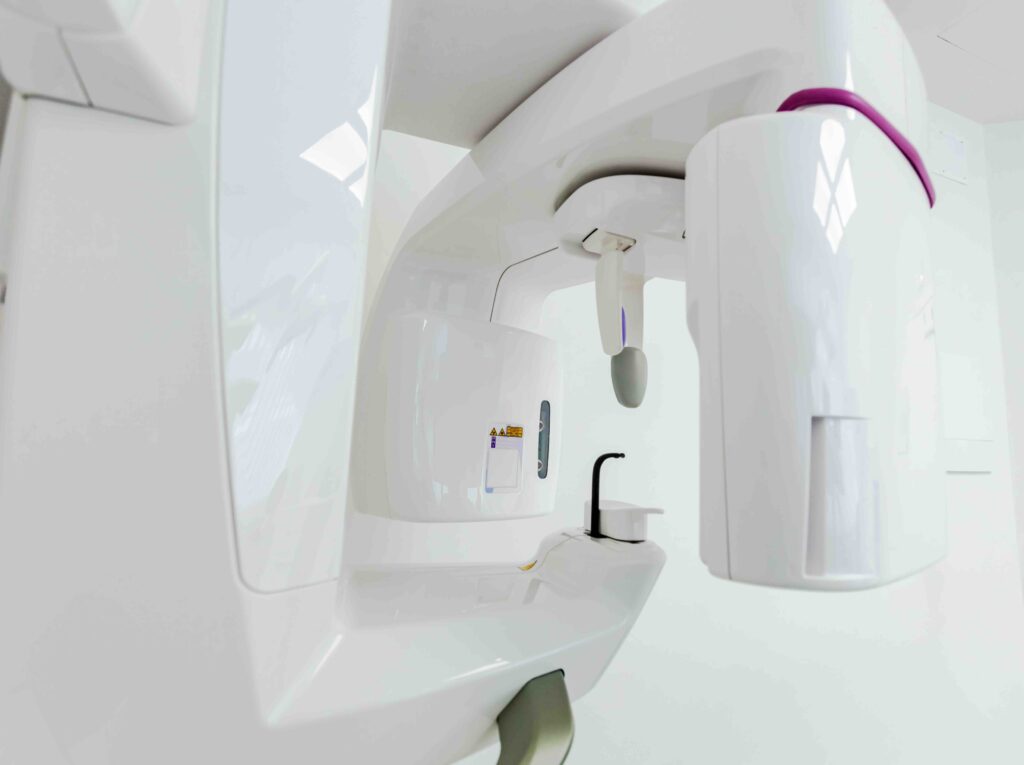
Dentists evaluate bone with imaging, usually a cone beam CT scan when planning is more complex. Traditional X-rays provide useful information, but three-dimensional imaging shows width, height, angle, and the location of nearby structures such as the sinus or nerve canal. This matters because an implant has to sit in bone with enough support around it, not merely fit into an empty space.
A patient may hear, “You don’t have enough bone,” and take that as a final answer. Often it is not. Bone grafting can rebuild or preserve the site, though it adds cost, healing time, and another surgical step. In the upper back jaw, a sinus lift may be needed if the sinus floor has dropped and the bone height is too limited. In the lower jaw, the available space must be mapped carefully to avoid nerves.
From experience, this is one of the biggest emotional turning points for patients. They come in expecting a crown-sized fix and learn that replacing the root is a structural project. That can feel frustrating, but it is far better to discover those issues on a scan than after a failed implant.
Healthy gums are not optional
Implants do not get cavities, but they can fail because of gum and bone problems. If a patient has active periodontal disease, bacteria and inflammation can threaten both natural teeth and implants. Placing an implant into an unhealthy mouth is like renovating one room while the foundation of the house is still wet and unstable.
This is where judgment matters. Mild gum inflammation caused by inconsistent brushing is very different from advanced periodontitis with deep pockets, mobility, and uncontrolled bleeding. The first may require improved hygiene and a cleaning. The second may require a periodontal treatment plan before implants should even be scheduled.
There is also an important long-term issue. Patients who have lost teeth because of periodontal disease can absolutely receive implants, but they are often at higher risk for peri-implant disease later. That does not mean implants are a bad idea. It means maintenance becomes non-negotiable. More frequent cleanings, careful home care, and regular monitoring become part of the investment.
I have seen patients who were technically eligible on surgery day but poor candidates in practice because they treated the implant as a permanent appliance requiring no maintenance. An implant is resistant to decay, not immune to neglect.
Medical conditions that can change eligibility
Most common medical conditions do not automatically rule out Dental Implants. They simply change the level of caution. Diabetes is the example many patients ask about first. Well-controlled diabetes often allows successful implant treatment, while poorly controlled diabetes can increase the risk of delayed healing and infection. The difference between those two situations is substantial.
Autoimmune diseases, a history of radiation to the jaws, severe osteoporosis, immune suppression, and certain heart conditions can all affect planning. Sometimes the issue is not the disease itself but the medication used to treat it. Drugs that influence bone turnover, such as some antiresorptive medications, deserve special attention. The same is true for cancer therapies that affect healing.
None of this means the answer is automatically no. It means the dental team may need medical clearance, lab values, coordination with a physician, or a modified surgical approach. Good implant planning becomes interdisciplinary surprisingly often. A rushed yes can be more dangerous than a well-reasoned delay.
Pregnancy is another situation where dentists typically postpone elective implant surgery. The need for imaging, medication choices, and the fact that the treatment is usually not urgent make waiting the sensible option.
Smoking, vaping, and other habits that complicate healing
One of the least popular parts of an implant consultation is the discussion about smoking. Patients know it is not ideal, but many underestimate how strongly it affects implant outcomes. Nicotine reduces blood flow, compromises healing, and raises the risk of failure and infection. Heavy smoking is especially concerning, particularly when combined with gum disease or extensive grafting.
Vaping does not get a free pass simply because there is no tobacco smoke. The data are still evolving, but nicotine exposure and the local effects on tissues remain a concern. Cannabis use can also matter, especially when it affects dry mouth, inflammation, or compliance with post-operative instructions.
That said, smoking is not always an absolute exclusion. Plenty of smokers receive implants. The real issue is risk. A person who smokes a pack a day and wants multiple implants after advanced bone grafting is not in the same category as someone who quit six weeks ago and needs a single lower premolar restored. Good consent means being honest about the gradient of risk, not collapsing everything into yes or no.
Teeth grinding deserves mention too. Bruxism does not prevent implants, but it can overload them. Natural teeth have a periodontal ligament that provides some shock absorption. Implants do not. A heavy grinder may need a night guard, stronger restorative materials, more implants to distribute force, or a different prosthetic design.
Are older adults good candidates?
Often, yes. Many older adults are excellent candidates for implants. What matters is Dental Implants overall health, medication profile, bone condition, and ability to maintain care. It is common for a healthy retiree with stable blood pressure, good oral hygiene, and a strong support system to do very well with implant treatment.
The challenge in older age is not age itself. It is the collection of practical issues that may travel with it. Dry mouth from medications, arthritis that makes brushing difficult, transportation barriers, thinner bone in some areas, or complex medical histories can all influence treatment. These are planning variables, not automatic disqualifiers.
For full-arch treatment, older adults often value stability most of all. A lower denture that moves can be exhausting. In those cases, implant-retained overdentures can be life-changing. They may also be less invasive and less expensive than a full fixed implant bridge. Eligibility, then, is not just about whether someone can get implants, but which implant solution fits their health and goals best.
What about younger patients?
Young adults frequently ask whether they can replace a missing front tooth with an implant as soon as possible. The key issue here is growth. If jaw growth is not complete, placing an implant too early can create esthetic and functional problems later because the implant will not move with adjacent teeth as the mouth continues to develop. This matters particularly in the front of the mouth, where even small changes become visible.
That is why dentists are cautious with teenagers and very young adults. A patient may be old enough to want a permanent solution and still not be a true candidate yet. In those situations, a temporary restoration is often the wiser bridge until growth is complete.
When “not yet” is different from “no”
A surprising number of people who think they are ineligible are actually just not ready at this moment. This is one of the most useful distinctions to make. If the obstacle is modifiable, the treatment plan can be staged.
Common reasons for a temporary delay include the following:
- The extraction site needs time to heal before implant placement.
- Bone grafting is needed to rebuild the area first.
- Gum disease or infection must be treated and stabilized.
- A medical condition needs better control, such as diabetes.
- Smoking reduction or cessation is advised before surgery.
This is why a second opinion can sometimes be helpful, especially when the first opinion is brief or vague. “You can’t have implants” may mean “you can’t have immediate implants in this location without grafting,” which is a very different message.
Immediate implants versus delayed implants
Patients often hope a tooth can be removed and replaced with an implant in the same visit. Sometimes that is possible, and when case selection is good it can reduce treatment time and preserve tissue contours nicely. Immediate placement works best when infection is limited, the socket anatomy is favorable, and primary stability can be achieved.
It is not always the best option. If the site has significant infection, thin bone walls, or poor soft tissue support, delaying placement can produce a safer and more predictable outcome. The internet has made immediate implants sound routine. In reality, they are technique-sensitive and not appropriate for every extraction.
The same principle applies to “teeth in a day” advertising. There are patients for whom immediate load full-arch treatment is an excellent option. There are also patients who need a slower, more staged approach to protect the result. Marketing compresses this complexity. Good treatment planning restores it.
The role of oral hygiene and patient reliability
This point is less glamorous than 3D scans and guided surgery, but it is one of the strongest predictors of long-term success. An implant patient must be able and willing to keep the area clean. That includes brushing effectively, cleaning around the implant or bridge design, attending maintenance visits, and reporting problems early.
In practice, “reliability” matters almost as much as anatomy. A technically eligible patient who disappears for years after treatment is a riskier candidate than someone with borderline bone who follows instructions carefully and never misses recalls. Peri-implant inflammation often begins quietly. Patients who return regularly give the dental team a chance to intervene while the problem is still manageable.
This is especially important for multi-unit implant bridges and full-arch work. Those restorations can be transformative, but they also create contours where Dental Implants plaque can accumulate if cleaning is poor. Patients should be shown exactly how they will maintain the final prosthesis before treatment begins, not after it is delivered.
Cost, time, and emotional readiness are part of eligibility too
Clinically suitable does not always mean practically suitable. Some patients are good biological candidates but poor treatment candidates because the time frame, finances, or emotional load are not right. That is not a moral failing. It is reality.
Dental Implants often involve several phases: consultation, imaging, extraction or grafting, implant placement, healing, and final restoration. For straightforward cases, the timeline may be a few months. For grafting-heavy or full-arch cases, it can stretch much longer. Patients managing caregiving duties, demanding travel schedules, or major life events may do better postponing until they can commit fully.
Cost varies widely by region and case complexity. A single implant with a crown is very different from a sinus graft plus implant plus custom esthetic restoration. Full-mouth rehabilitation is different again. Candid conversations about budget help avoid half-finished treatment plans and rushed decisions.
Emotional readiness matters too. Some people are comfortable with oral surgery. Others become highly anxious and need sedation planning, extra visits, or more time to decide. A patient who feels pressured tends to regret the process even if the technical outcome is good.
Who may need alternatives instead
There are cases where implants are not the best treatment, even when technically possible. A small missing space in a low-stress area, a patient with excellent adjacent teeth and limited budget, or someone with health factors that make surgery unwise may be better served by a bridge or removable option. The best clinicians do not treat the implant as the answer to every missing tooth.
Sometimes preserving what remains is the higher priority. If a patient has multiple failing teeth, active disease, and limited resources, stabilizing the mouth may deserve attention before replacing every gap. Implant dentistry is at its best when it fits into a broader oral health strategy, not when it overrides it.
Questions worth asking at a consultation
A strong implant consultation should leave the patient with a clear picture of candidacy, not just a price quote. Good questions reveal whether the planning is thorough. Ask why the clinician considers you a candidate, what risks apply specifically to you, whether grafting is needed, what alternatives exist, and how maintenance will work after the final restoration is placed.
It is also reasonable to ask about the expected timeline, the type of imaging used, and whether your medical history changes the plan. If the answers feel rushed, generic, or overly certain in a complex case, that is a sign to slow down. Implant treatment benefits from clarity, not speed.
The practical answer
Can anyone get Dental Implants? No, not literally anyone. But many more people are eligible than they first assume, especially when they are willing to address the factors that stand in the way. The real question is usually not “Can I ever have implants?” It is “What needs to be true for implants to succeed in my mouth?”
For some, the answer is simple. They have healthy gums, adequate bone, and stable health, and treatment can move forward promptly. For others, the path includes periodontal therapy, smoking cessation, bone grafting, or better control of a medical condition. And for a smaller group, another tooth replacement option will be safer and more appropriate.
That is what good eligibility assessment looks like in real life. It respects biology, habits, and long-term maintenance rather than chasing a one-size-fits-all solution. A careful examination, imaging, and honest discussion usually tell the story. If the story is complicated, that does not mean the door is closed. It often means the door opens in stages, with a better result at the end.
Oaks Dental
5000 Parkway Calabasas Suite 308
Calabasas, CA 91302, United States
+1 818-431-2000
FAQ About Dental Implants
What is the downside of a dental implant?
Implants require surgery and a healing period that can last several months. Possible complications include infection, nerve or sinus injury, damage to nearby teeth and failure to bond with bone. Your dentist should assess your health, bone support and alternatives before recommending treatment.
What do dental implants typically cost?
There is no single price for every implant case. The number of teeth replaced, implant components, final restoration and any grafting or extractions affect the total. Request a written estimate covering every stage and confirm insurance benefits and out-of-pocket costs with the practice.
How long do tooth implants last?
An implant can provide long-term support and may last a lifetime with good oral hygiene and regular dental care, but this is not guaranteed. The crown or other restoration may need replacement sooner. Smoking, gum disease and some health conditions can reduce implant success.